

Ontario’s outdoor recreation network continues to grow in 2026. New campsites, expanded protected lands and additional trail access are creating more choices for people interested in camping, hiking and nature-focused trips. Several well-known provincial parks now have additional campsites, while newly protected areas are adding even more natural landscapes to Ontario’s extensive park system.
For residents and visitors planning an Ontario getaway, these changes provide another reason to look beyond the province’s most familiar destinations. From lakeside campsites to forest trails and Canadian Shield landscapes, Ontario offers outdoor experiences suitable for weekend trips, longer camping holidays and simple day excursions.
Ontario Is Expanding Its Outdoor Recreation Options
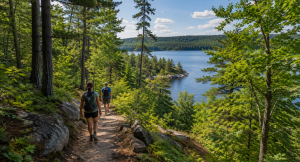 Demand for outdoor recreation across Ontario remains strong. According to the Government of Ontario, Ontario Parks recorded nearly 14 million visits in 2025.
To accommodate growing interest, the province announced a multi-year campground expansion program. One of the first phases added 67 campsites across MacGregor Point Provincial Park, Killarney Provincial Park and Driftwood Provincial Park for the 2026 summer season.
The broader program is expected to add up to 300 campsites and provide electrical upgrades at approximately 800 existing campsites. Additional campground development is also planned at other provincial parks.
For travellers, these projects could gradually provide more choices during popular camping periods when many established Ontario campgrounds fill quickly.
Three Parks With New Campsites in 2026
The first round of new campsites focuses on three very different Ontario landscapes. Each destination provides a distinct experience, making them useful options for different styles of outdoor travel.
MacGregor Point Provincial Park
MacGregor Point Provincial Park received 17 additional campsites as part of the 2026 expansion.
Located along the Lake Huron shoreline, the park combines wetlands, forests, beaches and recreational trails. Its varied landscape makes it suitable for travellers who prefer having several activities available without travelling far from their campsite.
Visitors can explore forest trails, spend time near the shoreline or use the park as a base for exploring nearby communities along Lake Huron.
The park is also known for recreation beyond the traditional summer season. That makes MacGregor Point useful for travellers interested in returning to the area at different times of year.
Killarney Provincial Park
Killarney Provincial Park added 25 campsites for summer 2026.
Killarney has one of Ontario’s most distinctive natural landscapes. White quartzite ridges, clear lakes and extensive forests have helped make the area one of the province’s recognizable wilderness destinations.
The park attracts hikers, campers, paddlers and people interested in landscape photography. Visitors can choose between relatively accessible outdoor activities and more challenging wilderness excursions.
Anyone considering a trip should review trail difficulty, campsite access and current conditions before departure. Some parts of Killarney provide a much more remote experience than a typical developed campground.
Driftwood Provincial Park
Driftwood Provincial Park also received 25 new campsites. These sites include electrical service, providing another option for campers who prefer additional campground amenities.
The park sits along the Ottawa River and features beaches, forest landscapes and waterfront views. Its location makes it especially interesting for people exploring eastern Ontario or planning a camping trip that includes communities along the Ottawa River corridor.
Visitors can spend time hiking, swimming, paddling or simply enjoying a quieter campsite near the water.
More Parks, Trails and Protected Green Spaces
Ontario’s 2026 outdoor developments extend beyond campgrounds.
In July, the provincial and federal governments announced the completion of a three-year conservation agreement that permanently protected nearly 48,000 acres of forests, wetlands and environmentally significant lands.
According to the Ontario government announcement, the initiative resulted in 12 new provincial parks and conservation reserves while expanding 50 existing protected areas.
The projects also improve public access to trails and green spaces. Some of the expanded trail networks connect with established routes such as the Bruce Trail.
What This Means for Ontario Travellers
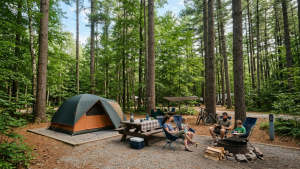 The expansion is significant because it creates additional opportunities beyond traditional high-traffic recreation areas.
Popular destinations can become busy during warm summer weekends. Having additional parks, conservation areas and trails gives travellers more opportunities to explore less familiar parts of the province.
It also supports a style of travel that has become increasingly popular in Ontario: combining outdoor recreation with nearby small towns and local communities.
Destination Ontario identifies hiking, nature walks, scenic drives, camping and visits to small towns among popular warm-season activities. Travellers can therefore build an itinerary that includes a provincial park during the day followed by local dining, shopping or accommodation nearby.
More Campsites Are Planned for 2027
The 2026 additions represent only part of Ontario’s campground expansion program.
Ontario has also announced 65 new campsites planned for Bon Echo Provincial Park and Presqu’ile Provincial Park for the 2027 summer season.
Bon Echo is known for Mazinaw Lake and the dramatic Mazinaw Rock formation. The park attracts paddlers, hikers and campers interested in exploring the Canadian Shield landscape.
Presqu’ile offers a different environment along Lake Ontario. Beaches, wetlands and bird habitats make it appealing to families, birdwatchers and visitors interested in shoreline recreation.
The planned additions could eventually provide more camping availability at two destinations that already attract significant seasonal interest.
How to Plan an Ontario Camping Trip in 2026
New campsites create additional options, but advance planning still matters. Ontario’s busiest parks often receive strong demand throughout July and August.
Check Campsite Availability Early
Start by reviewing the official Ontario Parks website. Reservation availability varies considerably by park, campsite type and date.
Travellers with flexible schedules may find more options outside peak weekends.
Compare the Type of Camping Available
Not every campground provides the same facilities. Some campsites offer electrical connections, while others provide a more traditional camping environment.
Before reserving, consider the equipment you plan to bring, access to drinking water, washroom facilities, vehicle restrictions and the distance between your campsite and planned activities.
Think About the Experience You Want
A campground does not need to serve only as a place to sleep.
Someone interested primarily in hiking might choose a park based on trail variety. Families may prioritize beaches and accessible facilities. Paddlers may prefer lakes or river systems, while photographers could choose landscapes offering dramatic shorelines and scenic viewpoints.
Selecting the destination based on activities rather than name recognition can lead to a more enjoyable trip.
Build a Longer Ontario Outdoor Itinerary
A provincial park visit can also become part of a broader Ontario journey.
Instead of driving directly to a campground and returning home afterward, consider exploring nearby communities, local attractions and scenic routes.
A Lake Huron camping trip might include waterfront communities and beaches. An eastern Ontario itinerary could combine Driftwood Provincial Park with Ottawa Valley communities. A Killarney trip could become part of a longer Northern Ontario journey.
Visitors interested in broader travel ideas can also read our Canada Strong Pass 2026 Ontario travel guide. It covers national parks, museums and rail travel opportunities available throughout summer 2026.
For background on the communities and events that shaped the province, explore our Ontario history section.
Explore Beyond Ontario’s Most Familiar Parks
Ontario contains hundreds of provincial parks and protected natural areas, so outdoor travel does not need to revolve around the same few destinations every season.
The new campsites opening in MacGregor Point, Killarney and Driftwood create more possibilities for camping trips in 2026. At the same time, expanded parks, new protected areas and additional trail connections provide reasons to discover unfamiliar parts of the province.
These developments also fit naturally with a slower approach to Ontario travel. A weekend might combine hiking with a local restaurant, a campground with a nearby town or a scenic drive with several short nature stops.
As Ontario continues expanding parks and camping infrastructure, travellers have more opportunities to build trips around forests, lakes, trails and local communities. Checking current park information before departure can help identify available campsites, seasonal conditions and the activities best suited to each destination.